

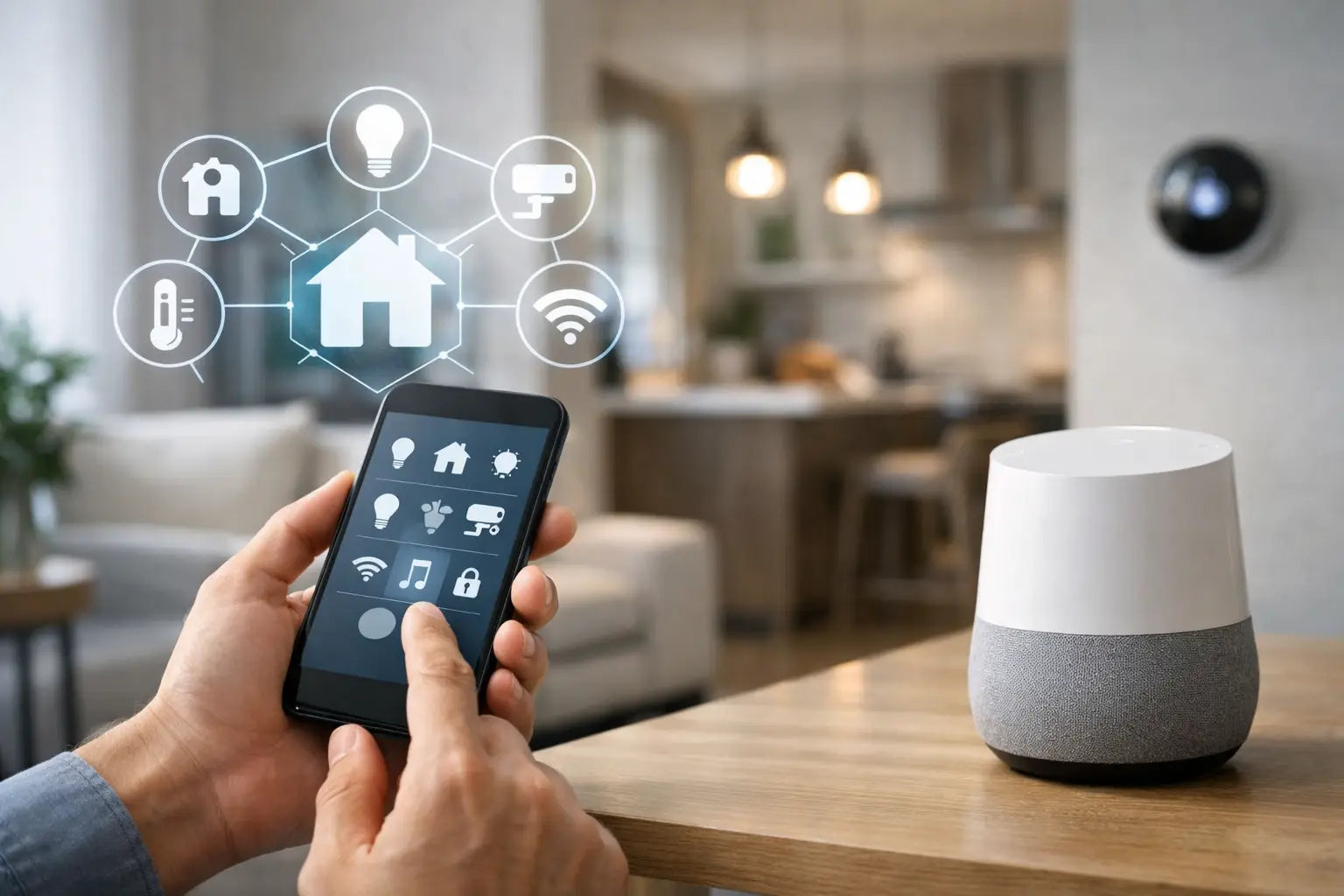
A well-designed home should not ask for constant attention. Lights should respond with intention, climate should stay comfortable without manual adjustment, and entertainment should feel immediate rather than complicated. That is the simplest answer to what is home automation: a way to make the home behave intelligently, elegantly, and in step with how you live.
For many homeowners, the phrase still brings to mind a collection of gadgets controlled by a phone app. That version exists, but it is only part of the picture. In a premium residence, home automation is not about adding more tech for its own sake. It is about creating a unified system where lighting, air conditioning, curtains, security, audio, video, and access control work together through one thoughtful design.
What Is Home Automation in Practical Terms?
Home automation is the integration of key household systems so they can be monitored, controlled, and programmed from a central interface. That interface might be a wall keypad, touch panel, smartphone, tablet, or voice assistant. The real value, however, is not the control screen. It is the coordination happening behind it.
Instead of treating each function as a separate product, automation brings them into one ecosystem. A single command can lower motorized shades, dim the lighting, start the projector, and set the audio to the right source. A schedule can adjust the temperature before you arrive home. A security event can trigger lights, cameras, and alerts at once.
This is why serious automation projects are closer to systems design than simple device shopping. The goal is a home that feels calm and responsive, not one filled with disconnected apps and conflicting technologies.
The Difference Between Smart Devices and a Smart Home
This distinction matters. A smart thermostat, video doorbell, or Wi-Fi speaker can be useful on its own. But owning several smart products does not automatically create a smart home.
A true smart home is integrated. The systems communicate with each other in a planned way, often through a professional control platform. That means fewer duplicated controls, fewer reliability issues, and a much more polished daily experience. When lighting scenes, HVAC settings, window treatments, security zones, and entertainment systems are designed as part of one environment, the technology fades into the background.
For a luxury home, that difference is significant. Discerning homeowners usually care less about novelty and more about performance, aesthetics, and ease of use. They want the technology to complement architecture and interior design, not compete with it.
What Does Home Automation Control?
The scope can be modest or extensive depending on the property and the client’s priorities. In most premium projects, automation typically includes lighting control, climate control, motorized curtains or blinds, security and surveillance, multi-room audio, home cinema, and access management.
Lighting is often the starting point because it affects mood, comfort, and energy use every day. Rather than relying on rows of switches, homeowners can activate scenes such as Morning, Entertain, Dinner, or Away. Each scene sets the right brightness levels across selected areas with a single touch.
Climate control adds another layer of comfort. Instead of manually adjusting thermostats in different rooms, the system can maintain preferred temperatures based on time of day, occupancy, or lifestyle patterns. In larger villas, zoning becomes especially valuable because different spaces have different cooling demands.
Motorized shades and curtains contribute both elegance and efficiency. They can open gradually with daylight, close during peak heat, or align with entertainment scenes for privacy and light control. When integrated properly, they feel less like accessories and more like part of the architecture.
Security is another major category. Cameras, smart locks, alarm systems, intercoms, and gate access can all be unified. Homeowners can see who is at the entrance, grant access remotely, and receive alerts without juggling separate platforms.
Then there is entertainment. Multi-room audio allows music to flow through living spaces, patios, gyms, and bedrooms with consistent control. Dedicated cinema rooms or media spaces can be transformed through one command that manages projection, audio, lighting, and shading together.
Why High-End Homes Benefit Most
Any home can include automation, but larger and more design-conscious properties tend to benefit the most. The more systems a residence contains, the more valuable integration becomes.
In a high-end villa, for example, you may have complex lighting layers, multiple AC zones, landscaped outdoor spaces, distributed audio, surveillance coverage, gate access, and dedicated entertainment areas. Managing all of that through individual switches, remotes, and apps creates friction. Automation replaces that friction with cohesion.
It also protects design quality. Premium interiors are carefully composed, and too many visible controls can disrupt the visual language of a space. A professionally designed automation system reduces wall clutter, hides equipment where appropriate, and keeps the user experience refined.
There is also a service aspect. Luxury clients are not just buying devices. They are investing in planning, engineering, programming, commissioning, and long-term reliability. That is where firms such as I-Trust Systems bring real value, especially when a project demands both technical precision and aesthetic discipline.
Convenience Is Only Part of the Story
Convenience is the headline benefit, but it is not the only one. A strong automation system also improves consistency, comfort, security, and energy management.
Consistency matters because the home behaves the same way every time. The lighting scene works as expected. The cinema starts properly. The bedroom shades open on schedule. That reliability is what makes technology feel premium.
Comfort comes from anticipation. Rooms reach the right temperature before they are used. Glare is reduced at the right moment. Music follows the mood of the space. These details may seem small individually, but together they shape the daily experience of the home.
Security benefits are obvious but still worth emphasizing. Integrated systems allow faster awareness and response. Whether that means checking cameras while traveling, managing visitor access remotely, or automating exterior lighting at night, the result is better control over the property.
Energy performance can improve as well, though it depends on how the system is designed and used. Scheduled lighting, occupancy-based control, climate zoning, and automated shading can reduce unnecessary consumption. That said, automation is not a guarantee of lower utility bills. Poor programming or overcomplicated setups can undermine efficiency, which is why design quality matters.
What Home Automation Is Not
Home automation is not a magic fix for every household frustration. It does not automatically make a home well designed, and it does not replace the need for good infrastructure.
If the Wi-Fi is weak, if devices are chosen without compatibility in mind, or if no one has considered how the household actually lives, the system will feel awkward no matter how expensive it is. This is one of the most common mistakes in the market. People buy impressive hardware but skip the integration strategy.
It is also not always best to automate everything. Some homeowners want full-house control with advanced scenes and scheduling. Others want focused automation in key spaces such as the main living area, primary suite, theater, and entry sequence. A successful project reflects the property and the people using it.
Should Home Automation Be Planned Early?
Ideally, yes. The best results happen when automation is considered during architectural and interior planning rather than after construction is complete. Early coordination allows cleaner wiring pathways, better equipment placement, more elegant keypad layouts, and stronger integration with lighting design, joinery, HVAC, and security requirements.
Retrofit projects are still very possible, but they involve more compromise. Wireless solutions can help, though they may not offer the same depth or finish as a system designed from the ground up. For new builds and major renovations, early planning almost always leads to a better outcome.
So, What Is Home Automation Really About?
At its best, home automation is not about showing off technology. It is about removing effort from everyday living while elevating comfort, design, control, and atmosphere. The systems should feel deliberate, quiet, and deeply considered.
If you are building or refining a premium property, the right question is not whether smart features can be added. It is whether the home has been designed to respond beautifully to the way you live. That is where automation stops being a gadget category and starts becoming part of the architecture itself.
Share:
Home Automation Installation Process Explained
Soundproofing vs Acoustic Treatment