

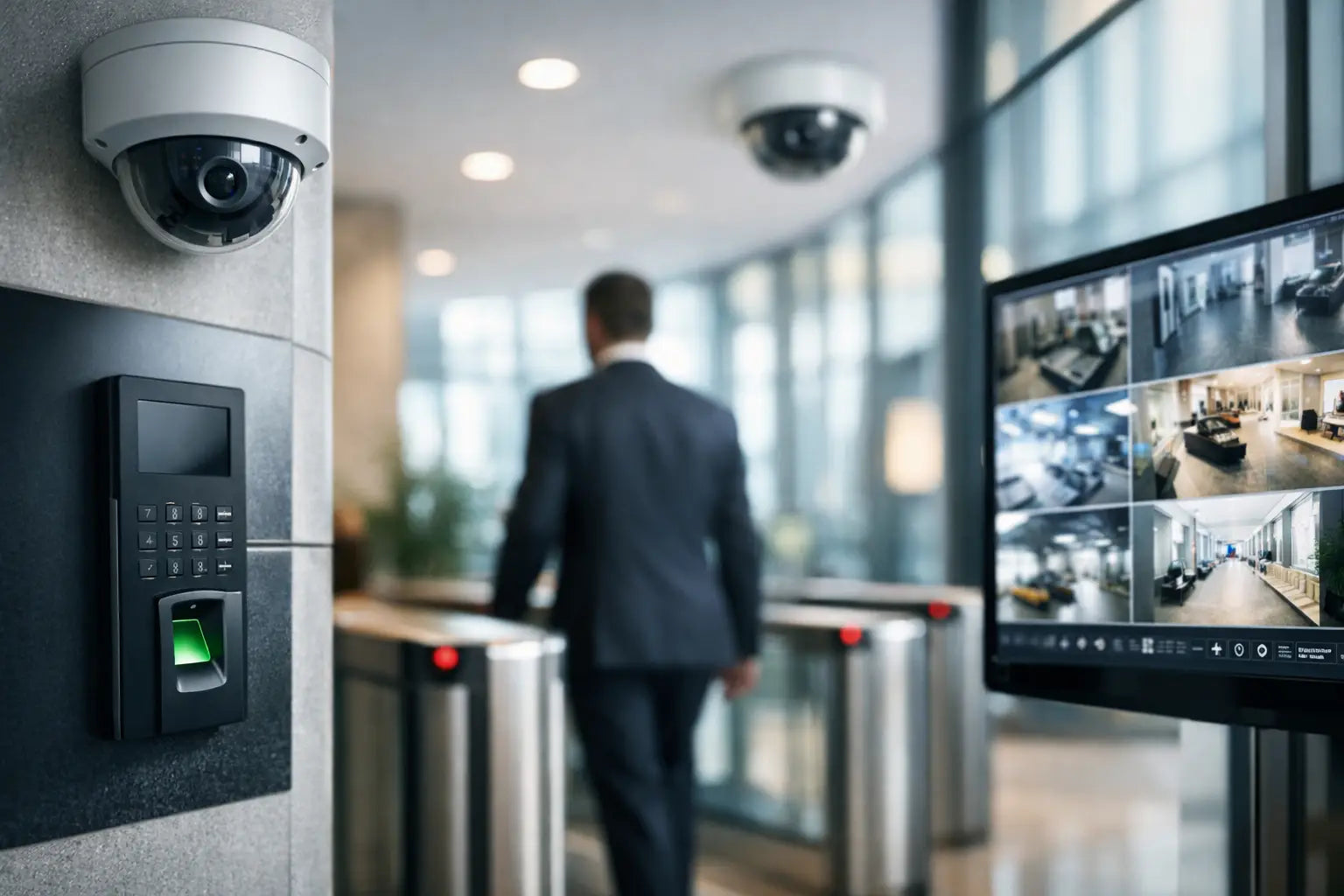
لا ينبغي أن تشعر الممتلكات الفاخرة بأنها عبارة عن خليط من الكاميرات وأجهزة الإنذار والأقفال والتطبيقات غير المتصلة. عندما يتم إضافة الأمان بشكل مجزأ، غالبًا ما تكون النتيجة احتكاكًا أكبر من الثقة - تنبيهات متأخرة، ونقاط عمياء، وتحكم فوضوي، وأجهزة تعطل تصميم المساحة. تحل أنظمة الأمان المتكاملة هذه المشكلة عن طريق توفير الحماية والرؤية والتحكم في بيئة ذكية واحدة.
بالنسبة لأصحاب المنازل المميزين والمطورين وصناع القرار التجاريين، فإن هذا التحول مهم. لم يعد الأمن طبقة قائمة بذاتها مخبأة خلف الجدران. إنه جزء من كيفية استقبال المنزل لأصحابه، وكيفية إدارة الشركة للدخول، وكيف يعمل العقار يومًا بعد يوم دون تدخل مستمر.
ماذا تعني أنظمة الأمن المتكاملة بالفعل
على مستوى أساسي، تربط أنظمة الأمن المتكاملة تقنيات حماية متعددة بحيث تعمل معًا بدلاً من العمل بشكل منفصل. يمكن أن يشمل ذلك كاميرات المراقبة، وأجهزة إنذار التسلل، وأنظمة الاتصال المرئي، والأقفال الذكية، والتحكم في البوابات، وكشف المحيط، وأجهزة استشعار الحركة، والتحكم في الدخول، والتحكم المركزي عبر الهاتف المحمول أو لوحة اللمس.
الفرق ليس مجرد راحة. التكامل يغير منطق النظام. يمكن لحدث باب أن يؤدي إلى عرض الكاميرا. يمكن لحدث إنذار أن ينشط الإضاءة في مناطق مختارة. يمكن التحقق من دخول البوابة بالفيديو قبل منح الدخول. يمكن أن تحدد جداول الإشغال التسليح ونزع السلاح، ويمكن ربط الإشعارات عن بعد بإجراءات محددة بدلاً من تحذيرات غامضة.
في المساكن الفاخرة، يخلق هذا تجربة أكثر هدوءًا. في البيئة التجارية، يحسن المساءلة ووقت الاستجابة والتحكم التشغيلي.
لماذا تتفوق أنظمة الأمن المتكاملة على الأجهزة المستقلة
يمكن للكاميرا المستقلة تسجيل حدث. يمكن للقفل المستقل تأمين باب. يمكن لجهاز الإنذار المستقل إصدار ضوضاء. لكن الممتلكات ذات القيمة العالية نادرًا ما تحتاج إلى وظائف معزولة. إنها تحتاج إلى أنظمة تتواصل.
يقلل هذا التواصل من الثغرات التي غالبًا ما تحدث فيها إخفاقات الأمان. إذا تم فتح مدخل جانبي بعد ساعات العمل، يمكن للنظام تسجيل الحدث، وتشغيل التسجيل، وإخطار المالك أو المدير، وتشغيل الإضاءة الخارجية. بدون التكامل، قد يعتمد كل من هذه الإجراءات على أجهزة منفصلة وإجراءات مستخدم منفصلة.
هناك أيضًا مسألة سلوك المستخدم. حتى الأمان القوي يمكن أن يفشل عندما يكون تشغيله محبطًا. إذا كانت إدارة العقار تتطلب خمسة تطبيقات وروتينًا معقدًا، يتوقف الناس عن استخدام النظام بشكل صحيح. تجعل الواجهة الموحدة الاستخدام المتسق أكثر احتمالًا، وهي إحدى الفوائد الأقل بريقًا ولكن الأكثر قيمة للتثبيت المصمم جيدًا.
بالنسبة للمهندسين المعماريين ومصممي الديكور الداخلي، يوفر التخطيط المتكامل ميزة أخرى: التقييد. يمكن اختيار الأجهزة ووضعها بانضباط أكبر عندما يتم تصميم النظام ككل. يؤدي ذلك إلى خطوط رؤية أفضل، وتشطيبات أنظف، وأجهزة أقل وضوحًا تتنافس مع الهندسة المعمارية.
أين يهم التكامل أكثر في المنازل الفاخرة
في المشاريع السكنية الراقية، يبدأ أقوى تصميم أمني قبل التثبيت. يؤثر تسلسل الدخول، واستراتيجية المحيط، وسلوك الإضاءة، وتنسيق الحدائق، وأتمتة البوابات، وروتين الأسرة على كيفية أداء النظام.
المدخل الرئيسي غالبًا ما يكون نقطة التحسين الأولى. يمكن أن يعمل نظام الاتصال المرئي، والقفل الذكي، ومشهد الدخول معًا بحيث يمكن للمقيمين التحقق من الزوار، وفتح القفل عن بعد، وتشغيل وضع وصول محدد مسبقًا. قد يؤدي هذا الوضع إلى نزع سلاح مناطق مختارة، وإضاءة البهو، وتعديل إعدادات المناخ. تظل وظيفة الأمان أساسية، لكن التجربة تبدو مدروسة وليست ميكانيكية.
حماية المحيط لا تقل أهمية في الفيلات والمنازل الخاصة الكبيرة. يمكن للأشعة الخارجية، وأجهزة استشعار خط السياج، والكاميرات الموضوعة استراتيجيًا أن تخلق وعيًا مبكرًا قبل أن يصل المتسلل إلى الهيكل الرئيسي. هذا اقتراح مختلف تمامًا عن الاعتماد فقط على كشف الحركة الداخلي بعد حدوث اختراق بالفعل.
داخل المنزل، يصبح تقسيم المناطق ضروريًا. قد تتطلب مناطق الأسرة، ودخول الموظفين، وأجنحة الضيوف، ومداخل الخدمة، والغرف الخاصة أذونات وجداول زمنية مختلفة. تجعل الأنظمة المتكاملة هذا التقسيم عمليًا. بدلاً من التعامل مع المنزل كمنطقة أمنية متجانسة واحدة، يمكن للتصميم أن يعكس كيفية العيش في العقار بالفعل.
أنظمة الأمن المتكاملة في البيئات التجارية
للمواقع التجارية ضغوط مختلفة. لا يقتصر الاهتمام على التسلل فحسب، بل يشمل أيضًا الحركة والمساءلة واستمرارية العمليات. تحتاج المكاتب إلى دخول متحكم فيه حسب القسم أو الدور. تحتاج الصالات الرياضية إلى إدارة دخول الأعضاء. تحتاج مواقع البيع بالتجزئة إلى مراقبة تدعم منع الخسارة ومراجعة الحوادث. تحتاج المدارس وأماكن العبادة وقاعات المحاضرات إلى سلامة عامة دون خلق بيئة قمعية.
هنا تقدم أنظمة الأمن المتكاملة قيمة قابلة للقياس. يمكن إدارة سجلات الدخول، ولقطات الكاميرا، وسجل الإنذارات، وأذونات المستخدم بالتنسيق بدلاً من خلال منصات غير متصلة. بالنسبة لمدير المنشأة، يعني ذلك رقابة أوضح. بالنسبة للمالك، يعني ذلك حوكمة أقوى ونقاط عمياء تشغيلية أقل.
ومع ذلك، لا ينبغي الخلط بين التكامل والتعقيد المفرط. لا يحتاج كل مشروع تجاري إلى طبقات على مستوى المؤسسة في كل منطقة. مكتب صغير وعقار كبير متعدد الاستخدامات لهما ملامح مخاطر مختلفة جدًا. يعتمد التصميم الصحيح على الإشغال، وحركة السير، والموظفين، وساعات العمل، وحساسية المساحات التي يتم حمايتها.
التصميم لا يقل أهمية عن الأجهزة
في المشاريع المتميزة، المعدات الجيدة هي مجرد نقطة البداية. السؤال الأكبر هو كيفية تصميم النظام وتنسيقه وتثبيته.
جودة الكاميرا، على سبيل المثال، غالبًا ما تتم مناقشتها من حيث الدقة، لكن تحديد المواقع، واختيار العدسة، وظروف الإضاءة، واستراتيجية التسجيل عادة ما تكون أكثر أهمية. قد تكون كاميرا 4K سيئة الوضع أقل فائدة من كاميرا جيدة الوضع مع مجال رؤية مناسب. ينطبق نفس المبدأ على أنظمة الاتصال الداخلي، وأجهزة استشعار الحركة، وقارئات الدخول. يأتي الأداء من الحكم الهندسي، وليس مجرد أوراق المواصفات.
التكامل الجمالي مهم أيضًا. يجب أن تبدو الأجهزة المرئية متعمدة، وليست عرضية. تساهم التشطيبات، وارتفاعات التركيب، وإخفاء الكابلات، والتنسيق مع النجارة، والحجر، والإضاءة، وتفاصيل الواجهة في النتيجة النهائية. بالنسبة لأصحاب المنازل الذين يستثمرون بكثافة في الهندسة المعمارية والتصميمات الداخلية، فإن هذا المستوى من العناية ليس اختياريًا.
لهذا السبب فإن التعاون المبكر بين دمج التقنيات، والمهندسين المعماريين، ومصممي الديكور الداخلي، والمقاولين ذو قيمة كبيرة. عندما يتم معالجة الأمن متأخرًا، تظهر التنازلات بسرعة. ينتهي المطاف بالمعدات في مواقع ثانوية، وتصبح مسارات الأسلاك غير فعالة، ويتم تشكيل منطق التحكم بما هو ممكن بدلاً مما هو مثالي.
دور الأتمتة في الأمن
يرتبط الأمن والأتمتة بشكل متزايد، لسبب وجيه. العقار الذي يمكنه الاستجابة بذكاء أسهل في الحماية.
الإضاءة مثال قوي. يمكن أن تتفاعل إضاءة الخارج والممرات مع الحركة أو الجداول الزمنية. يمكن أن تحاكي الإضاءة الداخلية الإشغال عندما يكون المقيمون بعيدين. يمكن أن تتبع الستائر والستائر المعتمة الروتين الذي يحافظ على الخصوصية دون الحاجة إلى تحكم يدوي يومي. هذه الإجراءات لا تحل محل أجهزة الأمان الأساسية، لكنها تعزز الاستراتيجية العامة.
الإدارة عن بعد تغير التوقعات أيضًا. يريد الملاك التحقق من النشاط، ومنح الدخول، ومراجعة التنبيهات، ومراقبة المناطق الحرجة من أي مكان يتواجدون فيه. يجب موازنة هذه الراحة مع الأمن السيبراني وموثوقية النظام. يجب تكوين الوصول عن بعد بشكل صحيح، وتشفيره عند الاقتضاء، وإدارته بأذونات مستخدم واضحة. الراحة بدون انضباط ليست حلاً ممتازًا.
توفر المنصة المتكاملة جيدًا أيضًا سهولة الخدمة والتوسع. إذا أضاف العقار لاحقًا بيت حراسة، أو أماكن إقامة للموظفين، أو منطقة ترفيه خارجية، أو ملحقًا تجاريًا، يمكن للنظام أن ينمو بأقل قدر من التعطيل.
اختيار النهج الصحيح
لا ينبغي أن يهدف كل مشروع إلى أكثر الأنظمة تعقيدًا ممكنًا. تعتمد استراتيجية الأمن المتكاملة الصحيحة على العقار، ونمط حياة العميل، ومستوى التحكم المتوقع.
يعطي بعض أصحاب المنازل الأولوية للمراقبة السرية وإدارة الدخول الأنيقة. يحتاج آخرون إلى نهج متعدد الطبقات مع ذكاء المحيط، وتتبع الموظفين، واعتبارات الغرف الآمنة، والمراقبة العقارية عن بعد. قد يهتم العملاء التجاريون بسجلات التدقيق، وإدارة بيانات الاعتماد، والرؤية متعددة المواقع أكثر من ميزات الراحة على الطراز السكني.
المطلب المشترك هو الاتساق. أفضل الحلول تبدو موحدة في الاستخدام اليومي، وليست مجرد متصلة على الورق. يجب أن تكون بديهية للعميل، سليمة تقنيًا للمستشار، ومنسقة بما يكفي لاحترام الهندسة المعمارية.
هنا يكسب الشريك المتكامل ذو التوجه الهندسي مكانه. تتعامل I-Trust Systems مع الأمن كجزء من بيئة ذكية أوسع، حيث يتم تصميم الدخول، والمراقبة، والأتمتة، والتحكم للعمل معًا بوضوح وصقل.
يقوم نظام الأمان المنفذ جيدًا بأكثر من مجرد حماية العقار. إنه يغير شعور العقار - أكثر هدوءًا، وأكثر استجابة، وأكثر تحكمًا بثقة. بالنسبة للمساحات المتميزة، هذا هو المعيار الذي يستحق البناء عليه.
مشاركة:
9 من أفضل ميزات أتمتة الفلل التي تهمك
دليل المعالجة الصوتية للحصول على صوت أفضل