

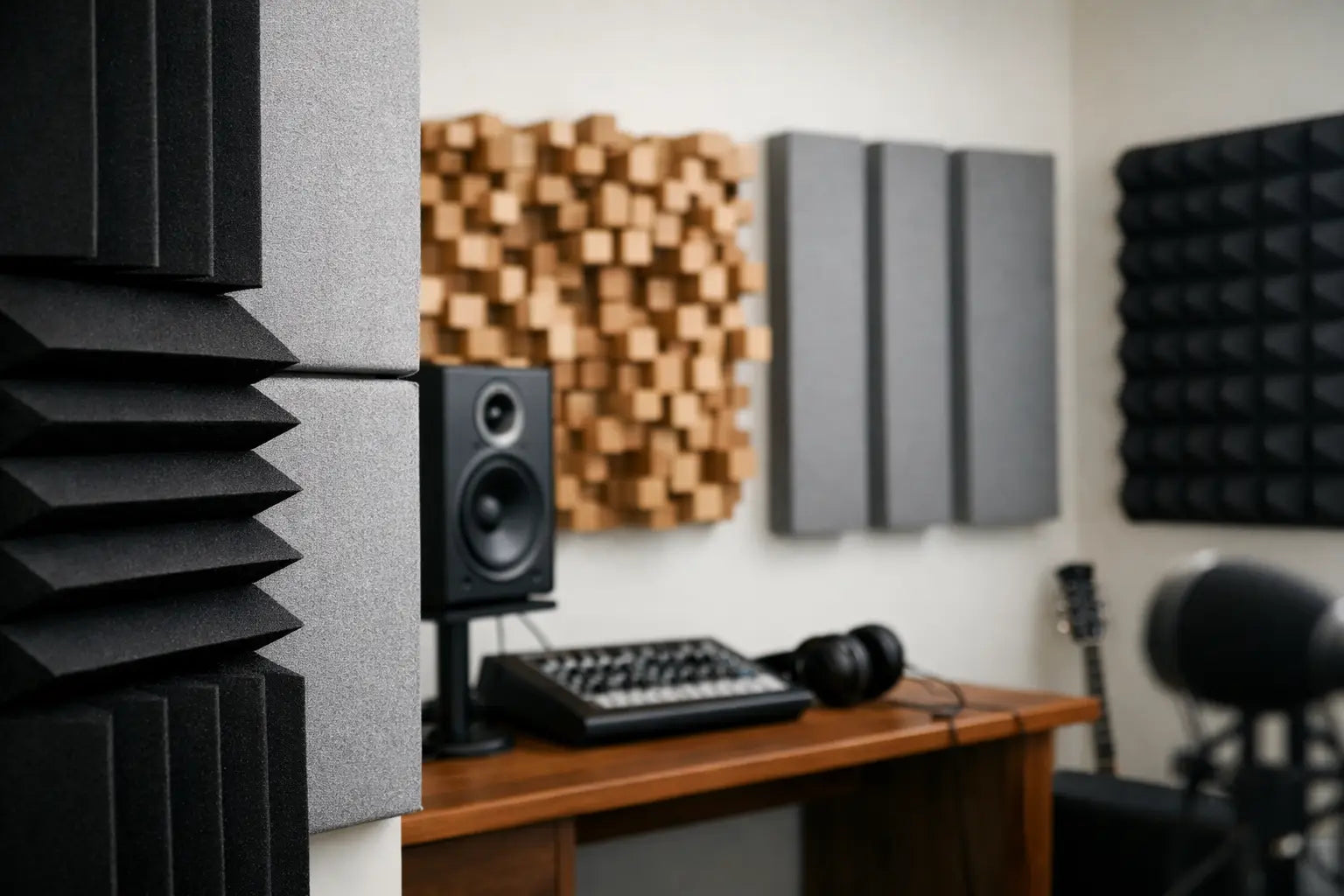
حتى الغرفة الجميلة يمكن أن تبدو مخيبة للآمال على مستوى الصوت. ستلاحظ ذلك في سينما فاخرة حيث تبدو الحوارات مشوشة، أو في مجلس فيلا حيث ترتد الأصوات عن الرخام والزجاج، أو في غرفة اجتماعات حيث تفقد العروض التقديمية تأثيرها لأن الكلام يفتقر إلى الوضوح. يبدأ دليل المعالجة الصوتية الصحيح بهذه الحقيقة - جودة الصوت تتشكل بفعل الغرفة بقدر ما تتشكل بفعل المعدات بداخلها.
في المساحات الفاخرة، يجب ألا تُعامل الصوتيات على أنها فكرة لاحقة أبدًا. يمكن للسماعات عالية الجودة، والتشطيبات الأنيقة، وأنظمة التحكم المتقدمة أن تعمل بأفضل شكل لها فقط عندما تعمل الغرفة نفسها معها، وليس ضدها. المعالجة الصوتية هي الانضباط في إدارة الانعكاسات، والتردد، وتراكم الترددات المنخفضة بحيث تبدو المساحة متحكمًا فيها، ومتوازنة، ومقصودة.
ما الذي تفعله المعالجة الصوتية بالفعل
يستخدم العديد من العملاء مصطلحي المعالجة الصوتية وعزل الصوت بالتبادل، لكنهما يحلان مشاكل مختلفة. يتعلق عزل الصوت بمنع الصوت من دخول الغرفة أو الخروج منها. أما المعالجة الصوتية فتهدف إلى تحسين الصوت داخل الغرفة نفسها.
هذا التمييز مهم. قد تحتاج السينما الخاصة إلى كليهما، لكنهما طبقتان منفصلتان من التصميم. إذا كانت غرفتك تبدو بالفعل حية جدًا، أو قاسية جدًا، أو غامضة جدًا، فإن المعالجة هي ما يعيد الدقة. إنها تقلل الصدى، وتحسن وضوح الكلام، وتثبت استجابة الجهير، وتخلق تجربة استماع غامرة أكثر.
عمليًا، تساعد المعالجة الصوتية غرفة السينما على تقديم حوار أنقى وتأثيرات صوتية محيطة أكثر إقناعًا. في المكتب، تجعل الاجتماعات أسهل للمتابعة وأقل إرهاقًا. في صالة الألعاب الرياضية أو بيئة البيع بالتجزئة، تتحكم في الفوضى التي تتراكم عندما تتنافس الموسيقى، والإعلانات، والمحادثات جميعًا في تصميمات داخلية عاكسة.
دليل المعالجة الصوتية: ابدأ بالغرفة، وليس بالمنتجات
الخطأ الأكثر شيوعًا هو شراء الألواح قبل فهم الغرفة. المعالجة ليست ديكورًا، وليست حزمة موحدة تناسب الجميع. يعتمد الحل الصحيح على أبعاد الغرفة، ومواد السطح، وارتفاع السقف، وموضع السماعات، وتصميم المقاعد، وكيفية استخدام المساحة فعليًا.
تحتاج السينما المصممة للتأثير السينمائي إلى استراتيجية صوتية مختلفة عن قاعة الصلاة، أو الفصل الدراسي، أو استوديو البودكاست، أو المكتب التنفيذي. حتى غرفتان متشابهتان في الحجم يمكن أن تتصرفان بشكل مختلف تمامًا إذا كانت إحداهما تحتوي على مفروشات ناعمة والأخرى تحتوي على الحجر والزجاج والجبس الصلب في جميع أنحائها.
هذا هو السبب في أن التخطيط الصوتي الجاد يبدأ بالتشخيص. تستمع إلى الغرفة، وتقيم الأسطح العاكسة، وتحدد صدى الرفرفة، وتفكر في المكان الذي من المرجح أن تتراكم فيه الترددات المنخفضة. في المشاريع الأكثر تقدمًا، تؤكد قياسات الغرفة بالضبط مكان حدوث المشاكل. هذا المستوى من الدقة هو ما يميز النتيجة المتميزة عن التثبيت العام.
العناصر الأساسية للمعالجة الصوتية
تعتمد معظم خطط المعالجة الصوتية على ثلاث فئات: الامتصاص، والانتشار، والتحكم في الجهير. كل منها يخدم غرضًا مختلفًا، والتوازن أهم من الكمية.
الامتصاص للصدى والوضوح
تقلل الألواح الماصة الانعكاسات عن طريق التقاط طاقة الصوت بدلاً من تركها ترتد مرة أخرى إلى الغرفة. غالبًا ما تكون هذه هي الخطوة الأولى في تحسين وضوح الصوت. إذا بدت الغرفة مشرقة، أو حادة، أو شديدة التردد، فإن الامتصاص عادة ما يكون جزءًا من الحل.
الموقع أمر بالغ الأهمية. غالبًا ما تُركب الألواح عند نقاط الانعكاس الأولى على الجدران والأسقف، حيث ينعكس الصوت من مكبرات الصوت أو الأصوات مباشرة نحو المستمع. في غرفة الوسائط، يحسن هذا التصوير ووضوح الحوار. في مساحة المؤتمرات، يجعل الكلام أكثر وضوحًا وأقل إرهاقًا خلال الاجتماعات الطويلة.
ومع ذلك، فإن الكثير من الامتصاص يمكن أن يجعل الغرفة تبدو مسطحة وبلا حياة. هذا أحد المقايضات التي يأخذها المحترفون في الاعتبار. الهدف هو التحكم، وليس الموت الصوتي.
الانتشار للعمق والطاقة الطبيعية
تشتت ناشرات الصوت الصوت في اتجاهات متعددة بدلاً من مجرد امتصاصه. هذا يحافظ على شعور بالحيوية مع منع الانعكاسات القاسية والبقع الصوتية الساخنة. في غرف الاستماع عالية الأداء ودور السينما الفاخرة، يمكن أن يضيف الانتشار اتساعًا وواقعية دون التضحية بالتحكم.
هذا ذو قيمة خاصة في الغرف التي ترغب في أن يبدو الصوت فيها مغلفًا بدلاً من جاف. تُعد الجدران الخلفية أماكن شائعة للانتشار، خاصة خلف مناطق الجلوس في المسارح أو غرف الاستماع. ولكن ليس كل غرفة تحتاج إلى ذلك. في المساحات الأصغر، قد يكون وضع الناشرات بشكل سيء أقل فعالية من الامتصاص المستهدف.
التحكم في الجهير لتوازن الترددات المنخفضة
الجهير هو المكان الذي تعاني فيه العديد من الغرف أكثر من غيره. تتجمع الترددات المنخفضة في الزوايا، وتتراكم بشكل غير متساوٍ عبر الغرفة، ويمكن أن تجعل مقعدًا واحدًا يبدو قويًا بينما يبدو آخر ضعيفًا أو صاخبًا. هذا هو السبب في أن مكبرات الصوت الفرعية باهظة الثمن غالبًا ما تخيب الآمال في المساحات غير المعالجة.
مصائد الجهير مصممة لإدارة مشاكل الترددات المنخفضة هذه. عادة ما توضع في الزوايا أو مناطق الضغط حيث يكون تراكم الجهير أقوى. في دور السينما المخصصة وغرف الموسيقى، غالبًا ما يكون التحكم الصحيح في الجهير هو ما يحول التجربة من مثيرة للإعجاب على الورق إلى غامرة حقًا على أرض الواقع.
أين يجب أن توضع المعالجة في غرفة فاخرة
التصميم الصوتي الجيد دائمًا ما يكون مقصودًا. يجب أن يدعم الأداء والجماليات على حد سواء.
في سينما منزلية، تساعد معالجة الجدار الأمامي في إدارة تفاعل السماعات، وتقلل ألواح الجدار الجانبي الانعكاسات المبكرة، وتحسن معالجة السقف التحكم العام، وتعتمد حلول الجدار الخلفي على عمق الغرفة وموضع الجلوس. يجب أن تبدو الغرفة متوازنة صوتيًا، بينما تظل أنيقة ومتناسقة بصريًا مع التصميم الداخلي.
في مساحات المعيشة ومجالس الفيلا، يكون النهج أكثر انتقائية. يمكن للألواح الزخرفية كبيرة الحجم، والميزات الجدارية الصوتية، والعناصر المنجدة، والسجاد، والستائر، والمعالجات المخفية أن تساهم جميعها في الحصول على صوت أكثر هدوءًا ونقاءً دون جعل الغرفة تبدو تقنية. غالبًا ما تأتي أفضل النتائج من دمج المعالجة في البنية المعمارية بدلاً من إضافتها لاحقًا.
تتطلب البيئات التجارية عقلية مختلفة. تحتاج المكاتب إلى وضوح الكلام والخصوصية. تحتاج المطاعم ومساحات البيع بالتجزئة إلى الطاقة دون ضوضاء مفرطة. تحتاج المدارس وأماكن العبادة إلى تغطية متساوية ووضوح عبر مساحات أكبر. في هذه البيئات، يجب تنسيق المعالجة الصوتية مع تصميم الصوت والفيديو، والإضاءة، وأنظمة التدفئة والتهوية وتكييف الهواء (HVAC)، والتشطيبات منذ البداية.
التكامل الجمالي لا يقل أهمية عن الأداء
في المشاريع الفاخرة، لا يمكن أن تبدو المعالجة وكأنها فكرة لاحقة. يرغب العملاء في الأداء العالي، ولكنهم يتوقعون أيضًا ضبطًا بصريًا، وجودة المواد، واتساق التصميم. لحسن الحظ، تطورت الحلول الصوتية إلى ما هو أبعد من بلاط الرغوة الأسود وألواح الاستوديو الواضحة.
اليوم، يمكن تغليف المعالجات بأقمشة راقية، أو بناؤها ضمن أنظمة جدارية مخصصة، أو إخفاؤها خلف تشطيبات قابلة للتمدد، أو تصميمها كميزات معمارية بحد ذاتها. تسمح جدران الشرائح الخشبية، والأسطح ذات الثقوب الدقيقة، وأنظمة مسارات الأقمشة، وتراكيب الألواح المخصصة للغرفة بأن تبدو أفضل بينما لا تزال تبدو راقية.
هذا هو المكان الذي تصبح فيه الحرفية ضرورية. لا ينبغي لغرفة صوتية جيدة التصميم أن تعلن عن تعقيدها التقني. يجب أن تبدو ببساطة هادئة وواضحة وكاملة.
ما يجب تجنبه عند اتباع دليل المعالجة الصوتية
الخطأ الأكبر هو التعامل مع كل جدار على قدم المساواة. نادراً ما يحل وضع الألواح العشوائي المشاكل الحقيقية. مشكلة شائعة أخرى هي الاعتماد فقط على منتجات الرغوة الرقيقة، والتي قد تقلل بعض الانعكاسات عالية التردد ولكنها لا تفعل شيئًا يذكر للجهير وغالبًا ما تترك الغرفة غير متوازنة.
هناك أيضًا إغراء التصحيح المفرط. يمكن للغرفة التي تحتوي على امتصاص مفرط أن تفقد إحساسها بالحجم والطاقة الطبيعية. بالنسبة للسينما، قد يعني ذلك انخفاض الإثارة. بالنسبة للموسيقى، قد يعني ذلك عرضًا باهتًا. بالنسبة لمساحات العمل، يمكن أن يخلق جوًا مكتومًا بشكل غريب.
تخصيص الميزانية مهم أيضًا. في مشروع فاخر، غالبًا ما يكون من المنطقي الاستثمار في حزمة صوتية جيدة التخطيط بدلاً من الإفراط في الإنفاق على الإلكترونيات التي لا تستطيع الغرفة دعمها. الغرفة هي جزء من النظام.
لماذا يؤدي التخطيط المبكر إلى أفضل النتائج
أفضل وقت لمعالجة الصوتيات هو أثناء التصميم، وليس بعد التركيب. عندما تؤخذ المعالجة في الاعتبار مبكرًا، يمكن دمجها في أعمال النجارة، وتجميعات الجدران، وتفاصيل الأسقف، وتصاميم المقاعد، واختيارات التشطيبات. وهذا ينتج عنه نتيجة بصرية أنظف وعادة ما تكون أفضل تقنيًا.
كما أنه يحسن التنسيق عبر المشروع بأكمله. تؤثر مواقع السماعات، وخطوط رؤية جهاز العرض، ومشاهد الإضاءة، والتحكم في ضوضاء أنظمة التدفئة والتهوية وتكييف الهواء، والأسطح الصوتية على بعضها البعض. يؤدي النهج المجزأ إلى المساومة. يخلق النهج المنسق غرفة تعمل بشكل جميل على كل مستوى.
بالنسبة لأصحاب المنازل، والمطورين، ومحترفي التصميم الذين يعملون على غرف السينما، والفلل، والمكاتب، أو بيئات الضيافة، فإن هذه العملية المتكاملة هي التي تكمن فيها القيمة الحقيقية. تتعامل شركات مثل I-Trust Systems مع المعالجة الصوتية كجزء من نظام بيئي أوسع للأداء، حيث يعمل الصوت، والتصميم، والتحكم معًا بدلاً من الانعزال.
اختيار النتيجة المناسبة لمساحتك
لا يجب أن تبدو كل غرفة بنفس الصوت. يجب أن تشعر المسرح الخاص بالاندماج والتحكم. يجب أن تبدو صالة العائلة مريحة وطبيعية. يجب أن تعطي المسجد أو قاعة المحاضرات أو الفصل الدراسي الأولوية لوضوح الصوت في جميع أنحاء المساحة. تعتمد النتيجة الصحيحة على كيفية تجربة الغرفة.
هذا هو الغرض الحقيقي من دليل المعالجة الصوتية. لا يتعلق الأمر بملء الغرفة بالمنتجات. بل يتعلق بتشكيل بيئة بحيث يظهر كل محادثة، أو مسار صوتي، أو عرض تقديمي، أو أداء بوضوح ووجود يستحقه.
عندما تُعالج الصوتيات بشكل صحيح، يكون الفرق فوريًا. تبدو الغرفة أكثر توازنًا. تعمل التكنولوجيا بثقة أكبر. وتوفر المساحة أخيرًا مستوى الرقي الذي وعد به تصميمها منذ البداية.
إذا كنت تستثمر في تصميم داخلي فاخر، فعامل الصوتيات كجزء من البنية المعمارية، وليس كملحق يضاف في النهاية.
مشاركة:
أنظمة الأمن المتكاملة للمساحات الحديثة
كيف تصمم صوتيات السينما بشكل صحيح